
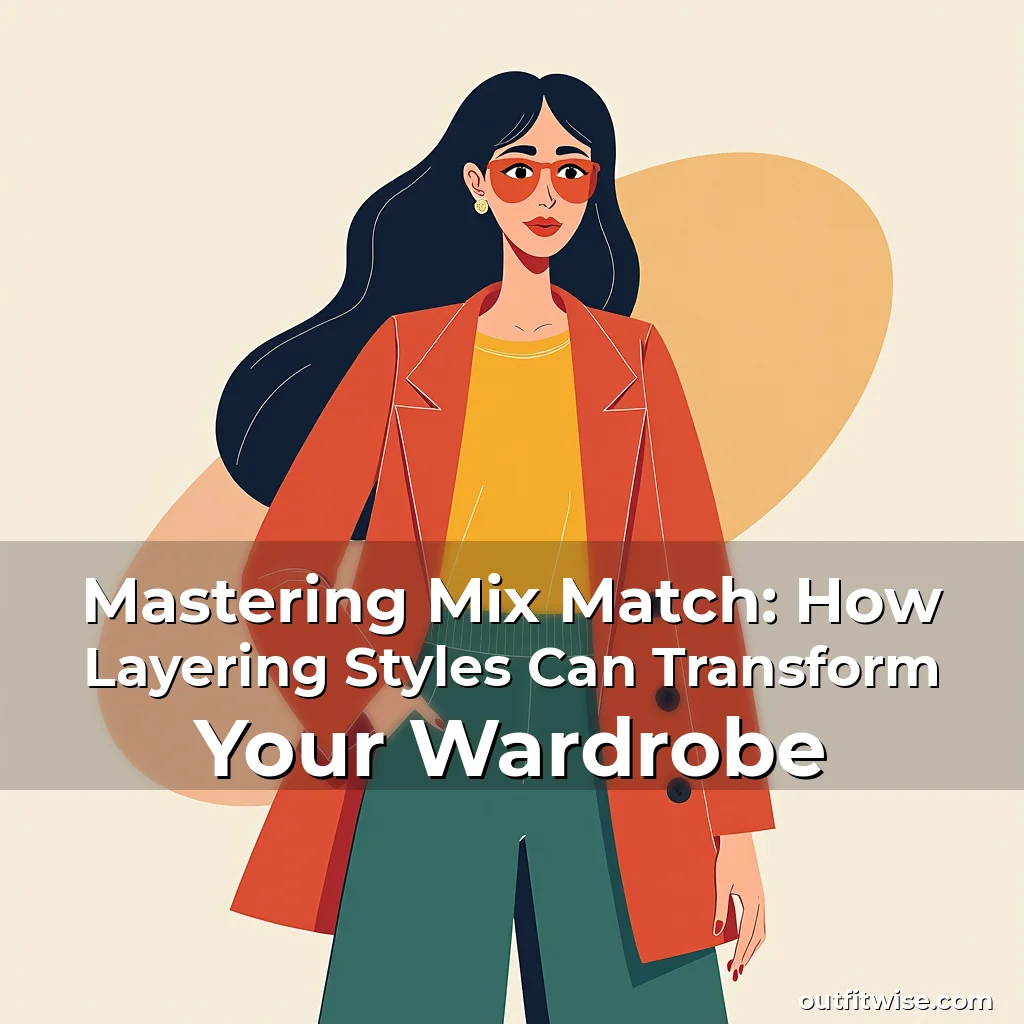
Mastering Mix Match: How Layering Styles Can Transform Your Wardrobe
In today’s fast-paced world, fashion is no longer confined to rigid rules. The art of “mix match”—combining disparate styles, textures, and patterns—has emerged as a powerful way to express individuality while staying stylish. Whether you’re blending high-end pieces with thrift store finds or pairing bold prints with minimalist basics, mastering the mix-match technique allows you to curate looks that are uniquely yours.
This guide dives deep into the psychology behind successful mix-matching, offering actionable tips, style hacks, and real-world examples tailored for both casual wear and formal settings. Discover how layering, color theory, and strategic accessories can turn simple clothing into standout ensembles.
The Psychology Behind Why Mix-Match Works
Mixing mismatched elements taps into our innate desire for creativity and self-expression. Fashion psychologists suggest that combining unexpected items triggers curiosity and admiration from observers, making the wearer stand out in a crowd. It’s a visual language that communicates confidence, wit, and a willingness to break norms.
Moreover, research shows that people who embrace mix-matching tend to feel more empowered in their choices. By rejecting cookie-cutter aesthetics, they reclaim control over their personal brand and challenge conventional beauty standards.
- Versatility:** A well-thought-out mix-match ensemble can transition seamlessly from day to night, saving time and effort in wardrobe planning.
- Sustainability:** Reusing existing clothes instead of buying new trends reduces waste and promotes conscious consumption habits.
Fundamental Principles of Effective Mixing
To avoid clashing chaos, every mix-match strategy should follow foundational principles rooted in balance and intentionality. Begin by identifying anchor pieces—neutral staples like white tees, black jeans, or classic blazers—that serve as a base for experimentation.
Once your foundation is set, introduce contrasting elements gradually. If your anchor piece is structured, add softness; if it’s neutral, inject color. Think of your outfit as a puzzle where each component contributes to the whole rather than overshadowing it.
Color Theory: The Secret Weapon of Style
Color plays a pivotal role in determining whether mixed elements harmonize or clash. According to Pantone studies, complementary colors (those opposite each other on the color wheel) create dynamic contrast, while analogous hues offer subtle cohesion. Mastering these relationships elevates even the simplest mix-match attempts.
For example, pairing a bright coral blouse with navy blue trousers uses complementary colors effectively. Conversely, a cream sweater layered over olive-green pants creates a soothing analogy effect. Always consider undertones—warm vs. cool—to maintain tonal unity across your look.
Textural Contrasts: Creating Visual Interest Through Fabric Choice
Texture adds dimension to any outfit, transforming flat silhouettes into visually compelling statements. Experiment with juxtaposing smooth fabrics against rough ones—a silk scarf draped over a denim jacket or leather boots paired with cotton dresses.
Layering different weights also enhances comfort and versatility. A lightweight linen shirt worn over a heavy wool vest offers insulation during cooler months while remaining breathable in warmer weather. Pay attention to fabric sheen too; matte finishes often soften harsh contrasts better than glossy options.
The Power of Pattern Play
Patterning is another crucial aspect of effective mix-matching. While some may shy away from patterns fearing overwhelm, thoughtful application can yield stunning results. Start small—opt for striped socks beneath solid loafers or polka dot scarves tucked inside plain cardigans.
When venturing further, stick to patterns with similar scale and saturation levels. Large-scale florals should never be paired with tiny checks unless deliberately used for dramatic impact. Instead, combine medium-sized geometric shapes with abstract designs for balanced intrigue.
Accessorizing With Purpose: Elevating Simple Looks
Accessories act as punctuation marks in sartorial storytelling—they either complete a narrative or disrupt it entirely. Choose statement jewelry wisely; oversized earrings might overpower delicate necklaces. Similarly, belts define waistlines while bags provide functional flair.
Don’t overlook footwear as part of your mix-match equation. Chunky combat boots lend edginess to flowing skirts whereas sleek ballet flats enhance sophistication in otherwise bohemian attire. Every accessory choice should reinforce—not contradict—the overall aesthetic vision.
Seasonal Adaptability In Mixed Ensembles
Successful mix-matching adapts fluidly across seasons thanks to versatile components designed for multi-seasonal wear. Invest in transitional layers like turtlenecks which double as winter insulators or springtime underlayers beneath lighter jackets.
Also prioritize materials known for seasonal flexibility—merino wool regulates body temperature naturally regardless of ambient conditions. Such intelligent selections allow continuous reinvention without purchasing season-specific wardrobes.
Common Mistakes To Avoid When Trying New Combinations
Newcomers often fall prey to over-accessorization errors—an excess number of embellishments distracts from primary garments. Remember less is always more when aiming for elegance. Limit yourself to three signature accessories per outfit at most.
Another frequent pitfall involves ignoring proportions. Bulky sweaters require slimming bottoms to counterbalance volume; conversely, fitted tops demand looser lower halves for equilibrium. Maintain symmetry between upper and lower body volumes for optimal silhouette harmony.
Navigating Cultural Sensitivities In Global Styling
Cultural awareness matters significantly when experimenting with global fashion influences via mix-matching practices. Some traditional garments carry symbolic meanings best respected through careful integration rather than appropriation. Research origins before incorporating culturally significant motifs into everyday attire.
Seek inspiration from diverse sources responsibly. Collaborative efforts among designers worldwide now promote inclusive representation through fusion collections featuring respectful reinterpretations of heritage styles alongside contemporary sensibilities.
Inspiration Sources For Innovative Mix-Match Ideas
Drawing ideas from varied platforms keeps creative juices flowing continuously. Social media feeds curated specifically towards eclectic dressing showcase countless possibilities daily—from avant-garde streetwear combos posted by influencers to retro-inspired interpretations found online communities focused solely on vintage revivals.
Visit local boutiques regularly since smaller stores frequently stock unique designer pieces unavailable elsewhere. These hidden gems enable crafting truly original outfits through surprise encounters rather than planned shopping trips alone.
Building Personalized Signature Looks Through Consistent Experimentation
Consistency breeds recognition—developing recurring themes across outfits establishes recognizable personal branding despite ever-changing combinations. Perhaps you gravitate toward monochromatic gradients or prefer asymmetrical layering techniques consistently applied across different occasions.
Track what works well individually over time by photographing outfits worn repeatedly yet altered slightly each time. Analyzing visual feedback aids continual refinement of preferred stylistic expressions until confident enough to develop definitive signature styles.
Conclusion
Mix-matching isn’t merely about combining random items—it’s an intentional process guided by understanding underlying design principles. From recognizing psychological benefits of expressive dressing to appreciating technical aspects involving texture interplay, every element contributes toward achieving polished outcomes.
Embrace this journey fearlessly knowing there exist infinite ways forward once fundamentals are grasped properly. Keep exploring fresh avenues through mindful practice until discovering exactly what makes your distinct voice shine brightest through carefully constructed ensembles crafted with purposeful intent.