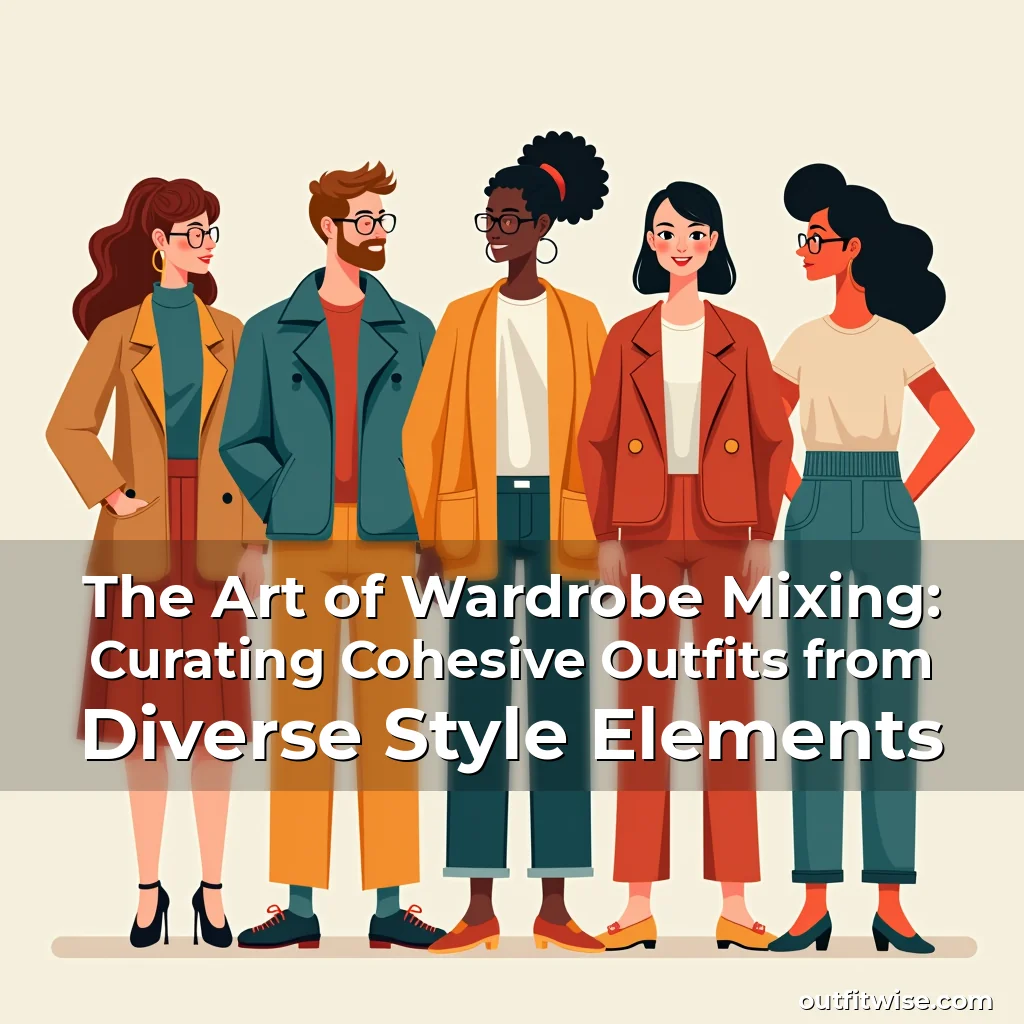
The Art of Wardrobe Mixing: Curating Cohesive Outfits from Diverse Style Elements
In an era where fashion is both personal expression and practicality, mastering the art of wardrobe mixing has become essential. This technique allows individuals to blend different styles, textures, and patterns while maintaining visual harmony.
By thoughtfully combining elements from various parts of your closet, you can create outfits that are uniquely yours without buying new clothes every season. The key lies in understanding how different pieces interact visually and functionally.
Understanding the Fundamentals of Wardrobe Mix
A successful wardrobe mix begins with identifying core components that work well together. These include color schemes, fabric types, and silhouette compatibility. For instance, pairing a structured blazer with relaxed trousers creates balance between formality and comfort.
Fabric choices play a crucial role too. Combining cotton shirts with wool skirts offers contrast yet maintains sophistication through texture variation rather than overwhelming pattern clashes. Always consider how materials drape and move when mixed.
- Color coordination: Stick to complementary colors within a palette, using neutrals as anchors for bolder accents.
- Silhouette dynamics: Balance oversized tops with fitted bottoms to avoid looking disheveled or overly constrained.
Pattern layering requires careful consideration. A striped shirt under a floral dress might overwhelm unless intentional scaling occurs—using smaller prints beneath larger ones helps maintain visual flow.
Texture blending adds depth without complexity. Pairing knitwear with leather accessories introduces tactile interest while keeping overall cohesion through shared undertones like brown or black.
Building Your Personal Style Palette
Your style palette forms the foundation for effective wardrobe mixing. Begin by cataloging existing items based on dominant colors, fabrics, and silhouettes present in your current collection.
Create three primary palettes: neutral foundations (greys, beiges), accent hues (coral, teal), and statement shades (mustard yellow, deep burgundy). This structure enables easy combinations across seasons and occasions.
Seasonal Adjustments Within Your Palette
While maintaining consistent base tones year-round, adjust saturation levels according to seasonal trends. Winter months might lean towards deeper shades whereas spring calls for lighter pastels within your established framework.
This approach prevents monotony while ensuring versatility. You’ll find yourself effortlessly transitioning from office wear to weekend outings by simply modifying accessory selections or fabric weights.
Strategic Layering Techniques
Layering is both functional and fashionable when executed correctly. It allows you to extend the life of individual garments while creating dynamic looks through strategic placement.
Start with lightweight layers closest to skin—think linen tunics over basic tees. Add mid-weight components next such as cardigans or denim jackets before finishing with outerwear that defines the entire ensemble’s character.
Careful attention must go into layer length relationships. Shorter inner layers peeking out below longer outerwear create visual intrigue but require mindful proportion balancing.
Temperature regulation becomes secondary concern once stylistic intent takes precedence. A chunky cable-knit sweater worn over a sleek blouse adds textural contrast without sacrificing warmth needs.
Mixing Formal and Casual Elements
Blending formal and casual attire opens up creative possibilities without compromising professionalism. A tailored skirt paired with a graphic tee strikes perfect equilibrium between business-ready polish and youthful energy.
Tailoring plays significant role here; ensure any casual component fits properly against more structured pieces. Ill-fitting jeans with a pencil skirt instantly undermine otherwise balanced composition.
Footwear selection matters greatly. Loafers complement smart-casual mixes better than sneakers which tend to pull whole look toward informal territory regardless of other elements chosen.
Accessories act as final touchpoint determining whether the outcome feels cohesive or disjointed. A minimalist watch paired with chunky boots may confuse message sent by rest of outfit.
Utilizing Color Theory Principles
Color theory provides scientific basis for making aesthetically pleasing combinations. Understanding warm vs cool temperature distinctions guides decisions about what works harmoniously together.
Monochromatic approaches involve varying only intensity and shade within single hue family. This method ensures instant coherence while allowing subtle differentiation through textile differences alone.
Analogous color schemes select adjacent colors on wheel creating soft transitions ideal for transitional weather periods where full boldness isn’t desired yet complete neutrality lacks excitement.
Complementary pairings utilize opposite sides of color wheel producing high impact results best suited for special events where stronger statements are appropriate and welcomed.
Textile Texture Contrasts & Complements
Textures add dimension beyond mere visuals; they influence how clothing interacts physically with environment and body movement. Smooth versus rough surfaces generate distinct sensory experiences.
Predictable combinations exist—wool blends naturally enhance crisp cottons, while velvet drapes beautifully beside metallic finishes adding luxurious feel without excessive embellishment.
Unexpected pairings can yield surprising successes when approached deliberately. Try matching sheer lace inserts against heavy canvas materials for striking juxtaposition highlighting both extremes effectively.
Always test combinations on actual bodies rather than relying solely on static images since light reflection behaviors change significantly depending upon angle viewed from.
Creating Signature Looks Through Repetition
Developing signature looks involves repeating certain elements consistently across varied ensembles. This repetition builds recognition value helping establish distinctive personal brand identity.
Select two-three foundational pieces that represent core aspects of your aesthetic. Maybe a particular jacket cut or shoe design that appears regularly throughout weekly rotations.
Vary accompanying items sufficiently so repeated element remains focal point rather than becoming monotonous itself. Rotate scarf styles around same coat type keeps refreshment factor intact.
Document these recurring motifs digitally or physically to track evolution over time. Observe how slight alterations affect perception of consistency versus novelty balance achieved.
Conclusion
Mastery of wardrobe mixing transforms everyday dressing into expressive artistry. By applying principles discussed—from fundamental understanding through advanced techniques—you gain control over how you present self visually.
Remember, true style emerges from confident experimentation combined with awareness of underlying rules governing successful combinations. Keep exploring, stay curious, and let your evolving wardrobe reflect who you truly are at any given moment.

news is a contributor at OutfitWise.com. We are committed to providing well-researched, accurate, and valuable content to our readers.